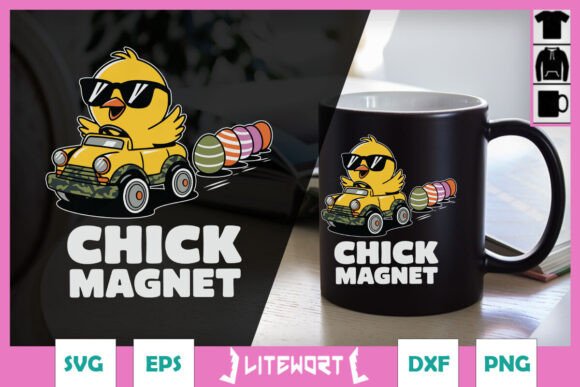
Chick Magnet Sarcastic Easter Funny SVG
As a designer who spends more time judging stitch density than browsing social media feeds, I approach every new graphic with a mix of curiosity and skepticism. The market is saturated with holiday clipart, so finding something that balances humor with actual embroidery viability is rare. When I first pulled up the Chick Magnet Sarcastic Easter Funny SVG, my initial reaction was less about the joke and more about how it would translate from a flat vector into a tactile, stitched reality. This isn't just another cute bunny; it’s a design that leans into personality, which makes it a fascinating candidate for real-world application.
First Impressions: Mood and Visual Personality
The moment you look at the file, the mood is clear: playful, slightly irreverent, and undeniably festive. The title alone suggests a target audience that appreciates wit over traditional sweetness. For an embroidery designer, this visual personality is crucial because it dictates where the design belongs. It doesn’t feel like it fits on a delicate lace handkerchief or a formal christening gown. Instead, it screams casual comfort. It belongs on the chest of a sweatshirt worn to brunch, or perhaps centered on a canvas tote bag for a craft fair.
The layout appears bold enough to hold its own against fabric texture, but the "sarcastic" element implies lettering or specific iconography that needs to be legible. In embroidery, legibility is king. If the punchline gets lost in a sea of satin stitches, the design fails. From what I can see in the preview, the shapes are distinct, avoiding overly intricate filigree that might pucker thin fabrics. This gives me confidence that it could work well as a standalone machine embroidery design without requiring excessive digitizing cleanup.
Real-World Application: Where Does It Shine?
I often think about these files in terms of finished products before I even open my hoop. Let’s talk about a specific scenario: preparing inventory for a small boutique shop during the spring season. You want items that sell quickly but also have a bit of edge to stand out among the pastel-heavy competition.
This design is perfect for custom apparel. Imagine it embroidered on a heather grey crewneck sweatshirt. The contrast between the soft fabric and the crisp lines of the design would create a high-quality handmade product that feels premium. It’s also ideal for tote bag design applications. A sturdy cotton canvas bag featuring this graphic becomes a walking advertisement for your brand’s sense of humor. It’s the kind of item a customer buys not just for utility, but because it reflects their personality.
Beyond apparel, consider kitchen towel or apron uses. For the home baker who loves a good laugh, a tea towel with this motif adds a touch of whimsy to a functional item. It works beautifully as a personalized gift for friends who appreciate dry wit. In the context of Etsy seller listings, having a mockup that shows this design on a trendy item like a baby onesie (with appropriate, safe thread choices) or a nursery pillow cover can drive engagement. It bridges the gap between holiday embroidery and everyday wearability.
Technical Considerations and Stitch Performance
However, moving from digital preview to physical stitch requires caution. Not all graphics are created equal when subjected to needle and thread. Here is where my experience as a reviewer comes into play. The stitch density will determine how the final piece feels. If the design relies heavily on dense fill stitches, it may become stiff and uncomfortable, especially if placed on a curved surface like a cap or hat. For those applications, a lighter touch or a combination of satin and running stitches might be necessary to maintain flexibility.
Another critical factor is the fabric texture. While this design looks great on smooth cotton or polyester blends, applying it to highly textured fabrics like bouclé or heavy waffle weaves can obscure the details. The threads might get lost in the weave, turning a sharp graphic into a blurry mess. Similarly, stretchy knits require careful stabilizer selection. Without proper support, the tension of the stitches can distort the garment, ruining the fit and finish of your finished product.
Color contrast is also paramount. The description mentions a PNG with a transparent background, which is helpful for mockups, but in embroidery, you must choose thread colors wisely. On dark fabric, light threads can sometimes appear muddy if the underlay isn't sufficient. Conversely, dark threads on light fabric need to be bold enough to pop. I always recommend testing your color palette on scrap fabric that matches your final project material. This simple step can save you from disappointing customers who receive an item that looks dull compared to the online preview.
Where to Use With Caution
While this design has broad appeal, there are specific scenarios where it might struggle. Avoid using it for very small hoop sizes unless the detail level is low. Tiny lettering or fine lines can become illegible when shrunk down, leading to frustration for both the maker and the wearer. Additionally, be wary of using this on products that require frequent washing, such as dishcloths or baby clothes, if the design includes decorative accents that aren't securely anchored. Fraying or loose threads can detract from the professionalism of the item.
For embroidered patch applications, ensure the border is robust. Patches endure a lot of friction and handling. If the design lacks a strong outline or border, the edges may fray over time. Also, consider the end-user environment. If this is intended for a commercial launch, think about the durability. Will the threads withstand industrial laundering? This is a common question from small business owners looking to scale their craft business.
Practical Designer Notes for Success
Before committing to a full production run, follow these practical steps to ensure quality:
- Test on Scrap Fabric: Always stitch out a test version on the exact fabric type you plan to use. This reveals issues with puckering, tension, or color blending that aren't visible on screen.
- Check Hoop Size: Confirm that the design fits comfortably within your standard hoop sizes. If it’s too large, you may need to split the design or resize it, which can affect aspect ratio and visual balance.
- Review Stitch Density: Look closely at the digitizing. Are there areas where the stitch count is unnecessarily high? Excessive density leads to stiffness and potential needle breakage. Adjustments might be needed for optimal performance.
- Inspect Small Details: Zoom in on any text or small icons. Ensure they are large enough to be read clearly after stitching. Blurry text is a major turn-off for buyers.
- Use Proper Stabilizer: Match your stabilizer to your fabric weight. Heavy stabilizers for thick fabrics, light tear-away for stable knits. This ensures the design stays flat and true.
- Verify Licensing: If you intend to sell finished items made with this digital embroidery file, double-check the license terms. Some designs are for personal use only, while others allow commercial sales. Clear licensing protects your brand consistency and legal standing.
Final Verdict
The Chick Magnet Sarcastic Easter Funny SVG is a solid addition to any designer’s library for the spring season. It offers a unique blend of humor and versatility that appeals to modern consumers looking for personalized gifts and unique small shop products. Its strength lies in its ability to convey personality through stitch, making it ideal for custom apparel, bags, and home decor.
However, success depends on execution. By paying attention to fabric choice, thread contrast, and stitch quality, you can transform this digital asset into a professional, desirable handmade product. It’s not just about sewing a shape onto cloth; it’s about creating a tangible expression of style. With careful planning and realistic expectations, this design can help you connect with customers who value creativity and a good laugh. Just remember to test thoroughly and respect the technical limitations of your machine and materials. When done right, the result is a standout piece that drives buyer engagement and builds trust in your craft business.