Cute Easter Raccoon Hoppy Funny SVG
When I sit down to review a new digital asset for my embroidery workflow, I am rarely looking for just "cute." I am looking for viability. As a designer who frequently bridges the gap between digital files and physical stitches, my primary concern is always: Will this hold up in production? Will it translate well from a screen to fabric? Will it make a customer feel something genuine when they receive their personalized gift or boutique item?
This is where evaluating the Cute Easter Raccoon Hoppy Funny SVG becomes an exercise in practical design judgment rather than simple aesthetic appreciation. The file falls squarely into the Crafts and Graphics categories, promising to "unleash creativity" with a focus on making crafting simple. But simplicity in design does not always mean simplicity in execution. Let’s break down how this specific motif performs when we move it out of the preview window and into the hoop.
First Impressions and Visual Personality
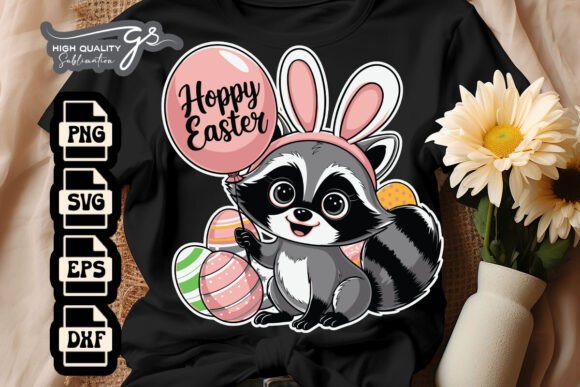
The immediate draw of the Cute Easter Raccoon Hoppy Funny SVG is its character. Raccoons have a distinct visual language—they are mischievous, textured, and inherently recognizable. By combining that with the "Hoppy" Easter theme, the design taps into a seasonal mood that is both playful and nostalgic. From a layout perspective, the silhouette needs to be clean enough to stitch but detailed enough to convey the raccoon’s personality without becoming muddy.
In my initial assessment, the appeal lies in its versatility as a handmade product. It feels like a design that belongs on soft goods. It isn’t overly complex, which suggests it could work well for hobbyists, but the specific character expression makes it valuable for an Etsy seller or small shop owner looking for unique inventory. The "funny" aspect implies a lighter tone, perfect for gifts that aim to bring a smile rather than serious decor. However, before committing to a full production run, I always ask myself: Does the line work translate to thread? If the original vector has thin, intricate lines that represent whiskers or eye highlights, those will disappear or clump if the stitch density is too high.
Real-World Application: The Tote Bag Scenario
To truly test a design, you have to imagine it on a real object. Let’s consider a common scenario: preparing a custom embroidered tote bag for an upcoming craft fair or a holiday market. You want something that stands out on a rack of plain canvas bags. The Cute Easter Raccoon Hoppy Funny SVG offers a strong focal point. Because raccoons are dark-furred animals, placing them on a light-colored natural canvas or a pastel spring-tone fabric creates excellent contrast.
If I were designing a custom apparel line for spring, this file would likely find its home on a sweatshirt or a hoodie. The "hoppy" movement in the design adds dynamic energy that looks great centered on the chest or placed slightly off-center on the pocket area of a garment. For a boutique product, pairing this with complementary floral elements or Easter eggs could elevate it from a simple graphic to a cohesive collection piece. Customers respond well to themes that tell a mini-story; a raccoon hopping through spring grass evokes a specific feeling of renewal and playfulness that resonates during the holiday season.
Furthermore, this design is highly suitable for embroidered patch applications. Many crafters use these types of motifs to create iron-on patches for denim jackets or backpacks. The bold nature of a raccoon face usually translates well to applique techniques, allowing the maker to use different fabric colors for the mask and body, adding depth that standard satin stitching might struggle to achieve alone.
Technical Considerations and Stitch Performance
While the concept is strong, the devil is in the details. When converting a vector-based SVG into an embroidery file, the software must interpret lines as stitches. This is where careful planning is required. The Cute Easter Raccoon Hoppy Funny SVG likely contains areas of fine detail—perhaps around the eyes, nose, or the texture of the fur. In machine embroidery, fine detail can easily get lost if the hoop size is too large relative to the design, causing the fabric to shift, or if the thread colors lack sufficient contrast against the background fabric.
I strongly advise testing this design on scrap fabric first. Pay close attention to the fill stitch areas. If the raccoon’s body is filled with dense stitch patterns, ensure that the stabilizer used is robust enough to prevent puckering. A common mistake among less experienced makers is underestimating the need for proper support, leading to a finished product that looks warped. Additionally, inspect the small details. Are there tiny running stitches intended for whiskers? On stretchy fabrics like jersey knits, these can distort unless a cut-away stabilizer is used correctly.
Consider the fabric texture as well. While this design shines on smooth cottons and poly-cotton blends, it might struggle on heavily textured fabrics like bouclé or thick terry cloth, where the needle cannot penetrate cleanly, resulting in skipped stitches or uneven tension. Dark fabrics require extra scrutiny regarding thread choice; a black raccoon on black fabric will vanish, so selecting high-contrast threads is non-negotiable for visual impact.
Where to Use Carefully
There are specific scenarios where caution is needed. Avoid using this design on curved surfaces like caps unless you have significant experience with cap hoops, as distortion can ruin the symmetry of the face. Similarly, be wary of applying it to items that require frequent washing, such as kitchen towels or baby clothes, if the design relies on delicate, unsupported details that might fray over time. For personalized gifts like monogrammed robes or aprons, ensure the design scales appropriately; a design that looks balanced at 4x4 inches may look cramped or sparse at other sizes.
Impact on Brand and Customer Trust
For the craft business owner, the quality of the design directly influences customer trust. A sloppy digitization job can make even a cute concept look unprofessional. Conversely, a clean, well-executed stitch pattern signals care and quality. When a buyer receives a finished product where the Cute Easter Raccoon Hoppy Funny SVG is stitched with clear definition and vibrant thread colors, it enhances the perceived value of the item. It transforms a mass-produced-looking idea into a bespoke creation.
This is particularly relevant for commercial embroidery projects where brand consistency matters. If you are building a line of spring-themed goods, having a cohesive visual identity helps with recognition. This raccoon motif, with its humorous and endearing vibe, fits well within a broader narrative of whimsical, family-friendly products. It appeals to parents buying for children, young adults looking for quirky accessories, and anyone seeking a touch of lightheartedness in their holiday decor.
Final Verdict for the Designer
Ultimately, the Cute Easter Raccoon Hoppy Funny SVG is a solid candidate for spring collections. It offers a blend of seasonal relevance and character-driven charm that works across various mediums, from tote bag design to apparel decoration. Its success, however, hinges on your technical execution. Take the time to review the stitch density, experiment with different applique design approaches if available, and always mock up your final look in black and white to check contrast levels.
Before listing this as a digital product or selling finished goods, confirm the licensing terms. Ensure you have the right to use the design commercially, especially if you plan to sell on platforms like Etsy or Amazon Handmade. With proper preparation, this file can become a standout item in your portfolio, delighting customers with its humor and craftsmanship. It is a reminder that even simple, fun designs require professional diligence to shine in the real world of handmade commerce.